Checking out the Conveniences of Kindergarten Programs: A Comprehensive Guide to Early Education
Preschool programs play a crucial role in shaping a child's early educational experience. They offer an organized environment where young students can create vital social abilities, emotional strength, and cognitive abilities. These foundational abilities are essential as kids relocate into more official education. Recognizing just how these programs add to a youngster's development exposes much regarding their long-lasting educational trajectory. What specific advantages do these very early experiences offer, and just how do they affect a child's future?
The Importance of Social Abilities Advancement
While numerous facets of early education emphasis on academic abilities, the development of social abilities in kindergarten programs is just as vital. Social skills incorporate the ability to connect efficiently, team up with peers, and navigate social scenarios, all of which are necessary for a kid's total development. In preschool, youngsters learn to share, take turns, and resolve problems, fostering a sense of area and belonging. These experiences enable young learners to create relationships and develop compassion, laying the foundation for positive partnerships in the future.
Teachers play a crucial function in assisting in social skill development through structured tasks and led communications. Via group jobs and playtime, children practice necessary abilities such as listening, working out, and understanding diverse viewpoints. Additionally, these interactions aid children develop confidence and self-confidence, essential parts for their personal and academic journeys. Generally, supporting social skills in preschool enriches youngsters's experiences and prepares them for the intricacies of social life past college.

Building Psychological Durability in Young Learners
Structure psychological durability in young learners is basic to their general well-being and success in numerous facets of life. Kindergarten programs provide an organized atmosphere where youngsters can discover to navigate their feelings efficiently. With directed activities and interactions, educators assist kids determine and express their sensations, promoting a sense of self-awareness.
Additionally, these programs often consist of methods for dealing with obstacles, such as analytical tasks and role-playing situations that prepare children for real-life circumstances. By urging cooperation and compassion, young learners create solid social connections, which are vital for psychological assistance.
Teachers play a critical role in modeling strength by showing how to take care of stress and anxiety and hardship. As kids observe these behaviors, they internalize useful coping mechanisms, furnishing them to manage future emotional troubles with higher convenience. Overall, supporting psychological resilience in early education lays a strong structure for long-lasting psychological health and adaptability.
Enhancing Cognitive Capacities With Structured Knowing
As youngsters participate in structured knowing experiences within kindergarten programs, their cognitive capabilities are considerably improved. These programs present age-appropriate tasks that promote vital thinking and analytical skills. As an example, hands-on tasks such as problems and foundation promote spatial awareness and sensible reasoning.
Interactive narration and group conversations foster language development, broadening vocabulary and comprehension. Via organized great site routines, kids learn to comply with instructions, improving their executive functioning abilities, which are important for future academic success.
Social communications within these programs additionally play a substantial duty, as youngsters find out to team up and interact efficiently, further increasing cognitive development.
Additionally, incorporating play-based discovering enables kids to explore concepts in a fun and interesting means, strengthening their understanding discover here and retention of knowledge. On the whole, organized knowing in kindergarten lays a strong foundation for cognitive growth, preparing kids for the challenges of college.
Fostering a Love for Lifelong Discovering
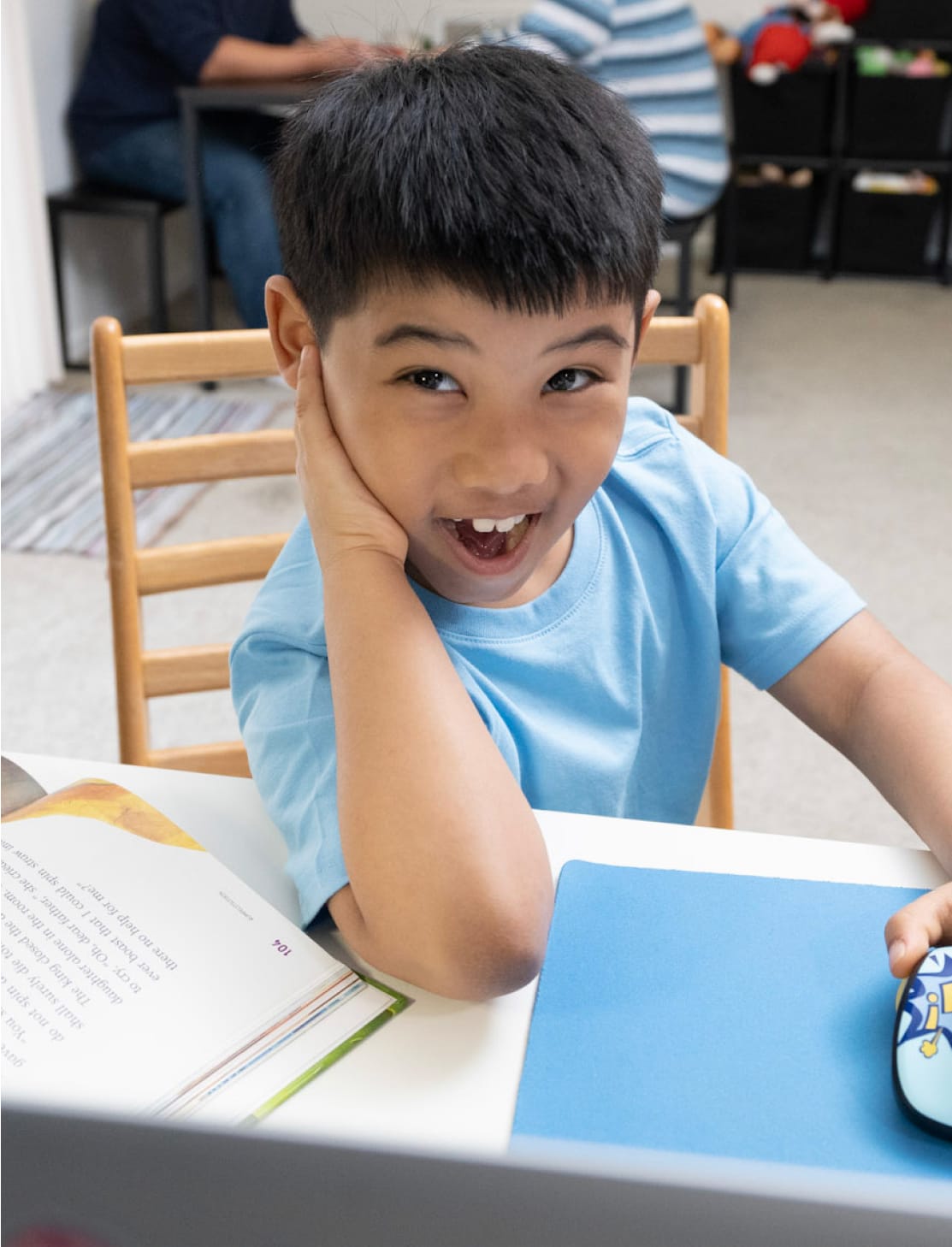
In addition, positive interactions with peers and educators add to an environment where learning is checked out as delightful and rewarding. This helpful environment aids infuse intrinsic motivation and reinforces the idea that education and learning is a constant journey instead of a destination.
As kids find their passions and toughness, they are more likely to seek expertise beyond the classroom, laying the structure for a long-lasting dedication to discovering. Inevitably, kindergarten programs play a necessary duty in forming enthusiastic learners who accept educational opportunities throughout their lives.
Preparing for Future Academic Success
While fundamental abilities are critical for very early students, kindergarten programs additionally play an essential function in preparing youngsters for future scholastic success. These programs present crucial ideas such as proficiency and numeracy, ensuring that youngsters develop the cognitive capacities essential for advanced discovering. By involving in organized tasks, pupils improve critical thinking and problem-solving abilities, laying a solid groundwork for their educational journey.
Furthermore, kindergarten promotes social-emotional advancement, allowing children to browse collective jobs and build partnerships with peers. This collective setting infuses a feeling of belonging and boosts confidence, which is very important for scholastic persistence.
Furthermore, direct exposure to varied learning experiences in kindergarten cultivates versatility, outfitting kids to deal with various topics and challenges in subsequent grades (Grade School). Inevitably, by giving a well-rounded very early education and learning, preschool programs guarantee that youngsters are not only ready for initial quality but additionally gotten ready for ongoing academic accomplishment throughout their educational occupations
Frequently Asked Questions
What Age Is Suitable for Starting Kindergarten Programs?
The excellent age for beginning preschool programs is usually between 5 and 6 years of ages. This age permits youngsters to establish essential social, psychological, and cognitive skills, preparing them for future academic success and individual development.
Just how Do I Choose the Right Kindergarten Program for My Kid?
To select the ideal preschool program, one ought to take into consideration factors such as curriculum, teacher certifications, class size, location, and the school's viewpoint. Observing the environment and gathering feedback from other moms and dads can likewise be valuable.
Exist Any Kind Of State Needs for Kindergarten Enrollment?
Numerous states have particular demands for kindergarten enrollment, including age limitations and paperwork such as copyright or proof of residency (Private School). Parents should consult their regional education authority to understand the exact standards in their location
What Should Parents Anticipate During a Common Kindergarten Day?
Throughout a normal kindergarten day, moms and dads can expect organized tasks including circle time, imaginative play, standard scholastic lessons, snack breaks, and social interaction, all made to promote knowing and development in a nurturing environment.
Just How Can Parents Assistance Discovering at Home along with Kindergarten?
Moms and dads can support finding out in your home by engaging in regular analysis, incorporating educational games, establishing a constant routine, encouraging interest with concerns, and producing a favorable, nurturing setting that fosters exploration and creativity.
Preschool programs play a pivotal function in shaping a child's very early educational experience. Kindergarten programs give a structured atmosphere where kids can discover to navigate their emotions effectively. As youngsters involve in organized understanding experiences within preschool programs, their cognitive capacities are substantially enhanced. By appealing kids in diverse tasks-- such as narration, hands-on experiments, and collaborative tasks-- preschool programs grow curiosity and exploration. While fundamental abilities are critical for early students, preschool programs also play a critical role in preparing kids for future scholastic success.